Poland Detains Olympic Chief in Bribery Case Involving Zondacrypto
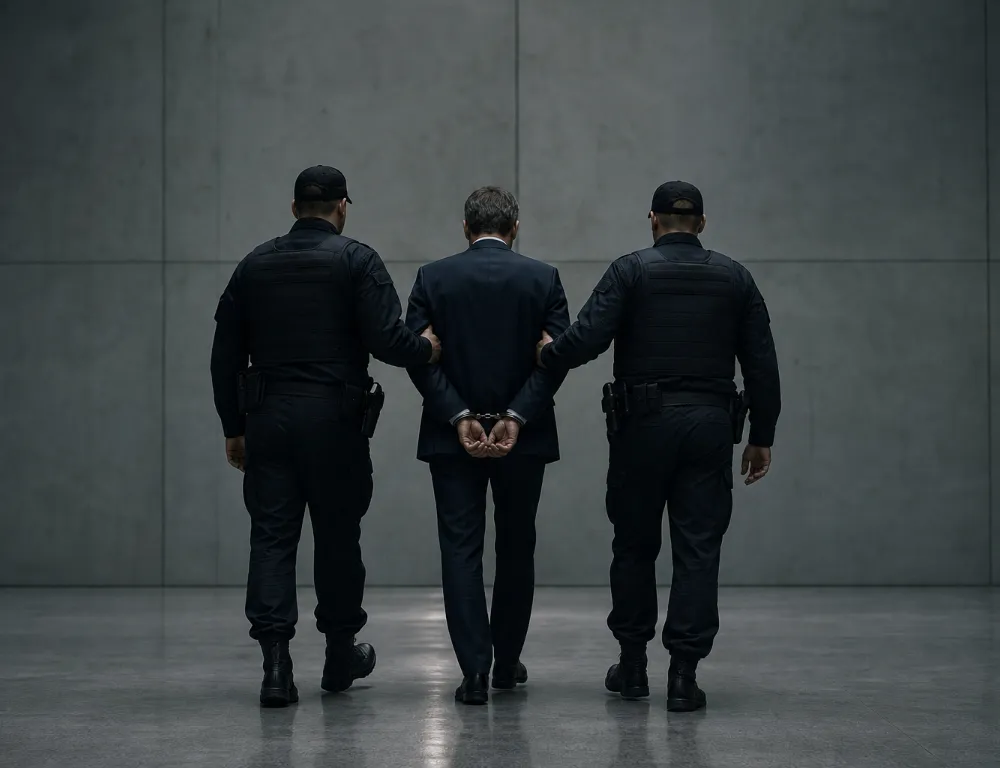
The intersection of institutional sports and the digital asset sector has come under intense legal scrutiny following the detention of Radosław Piesiewicz, the President of the Polish Olympic Committee [1]. Polish authorities allege that Piesiewicz accepted a luxury watch from the CEO of…
Regulatory Scrutiny Reaches National Sports Governance
The intersection of institutional sports and the digital asset sector has come under intense legal scrutiny following the detention of Radosław Piesiewicz, the President of the Polish Olympic Committee [1]. Polish authorities allege that Piesiewicz accepted a luxury watch from the CEO of Zondacrypto, a prominent European cryptocurrency exchange, in exchange for facilitating favorable regulatory outcomes [2].
This case signals a tightening of the net around crypto-to-government lobbying efforts, a trend that carries significant weight for Canadian exchanges and sports sponsors. As Canadian regulators under the CSA and IIROC continue to refine rules for crypto-asset trading platforms, the Polish probe serves as a cautionary benchmark for how “influence peddling” in high-profile sponsorships will be monitored by international law enforcement [3].
The Bribery Allegations and Institutional Trust
According to reports from the Polish Justice Ministry, the investigation centers on a luxury watch valued at approximately $25,000 [4]. Prosecutors allege that the gift was intended to influence government decisions regarding Zondacrypto’s operational status and regulatory environment in Poland [5]. The detention of such a high-ranking sports official suggests that the probe is not merely an administrative check but a full-scale criminal investigation into the ethics of crypto-sector sponsorships [1].
Zondacrypto has been an active sponsor in the European sports market, and the current allegations raise questions about the transparency of these commercial partnerships. For Canadian institutions, particularly pension funds and banks that have begun exploring on-chain infrastructure, the reputational risk associated with unregulated lobbying in the crypto space is becoming a primary compliance concern [2].
Implications for the Canadian Ecosystem
While the events are centered in Poland, the ripple effects are felt in the global regulatory framework. Canadian regulators have historically prioritized the separation of platform operations from political influence. If European authorities establish a precedent for criminalizing “regulatory smoothing” via third-party institutional leaders, Canadian firms will likely face even stricter disclosure requirements for their lobbying and sponsorship activities [4].
Institutional trust remains the primary hurdle for the broader adoption of blockchain technology. When national icons like the Olympic Committee are implicated in bribery linked to the digital asset sector, it reinforces the narrative of a “wild west” industry that requires heavy-handed oversight [3]. For Canadian builders in the DeFi and stablecoin space, this adds pressure to prove that their governance models are immune to the types of centralized corruption alleged in the Polish case [5].
Global Regulatory Coordination
The Polish probe is part of a broader trend of increased enforcement by EU member states, coinciding with the implementation of the Markets in Crypto-Assets (MiCA) regulation [2]. As international bodies like the Financial Action Task Force (FATF) continue to harmonize standards, the findings from the Zondacrypto investigation will likely be shared with other jurisdictions, including Canada [1].
The central question remains whether Zondacrypto’s CEO will face formal charges alongside Piesiewicz. As of the latest reports, the focus is on the recipient of the alleged bribe, but the exchange’s internal controls are now under the microscope of the Polish anti-corruption bureau [4]. This highlights a growing reality: in the current economic climate, the move of value through crypto rails must be accompanied by a transparent move of trust in the physical world.
Sources
- https://www.theblock.co/news/regulation/2026-08-27-polish-olympic-committee-president-detained-in-zondacrypto-bribery-probe-412961
- https://cointelegraph.com/news/polish-olympic-chief-charged-zondacrypto-probe
- https://www.coindesk.com/business/2026/08/27/polish-olympic-chief-arrested-as-prosecutors-probe-suspected-crypto-linked-bribe
- https://www.ft.com/content/f87d893e-24db-4ccd-af90-1f7f0abeb57e?syn-25a6b1a6=1
- https://www.bloomberg.com/news/articles/2026-08-27/polish-crypto-scandal-grows-as-olympic-committee-chief-detained
Featured
MoonPay launches ChatGPT payment vault as AEON agentic volume hits $475M
ai agents
agentic payments
blockchain infrastructure
canada
fintech
·4 min read
TD Bank enters stablecoin custody as AI agents reach 100M on-chain payments
canada
institutional adoption
stablecoins
ai agents
agentic payments
·4 min read
State Department’s Freedom Tech Excellence Program pairs digital-freedom agenda with private-sector embeds — but leaves key governance details undisclosed
U.S. State Department
Freedom Tech
digital freedom
Bitcoin Policy Institute
Palantir
Anduril
policy
·6 min read
The Biometric Infrastructure Pivot: Why World ID's $52M Fresh Funding Ends the Experimental Identity Era
digital identity
ai
ai agents
blockchain infrastructure
infrastructure
institutional adoption
·5 min read
Related posts

government and regulation
stablecoins
clarity act
·5 min read
The Timing Trap: Why the CLARITY Act is Reaching a Regulatory Breaking Point

institutional adoption
tokenization
corporate treasury
bitcoin
ethereum
·5 min read
The Divergent Treasury: Why the Next Phase of Corporate Crypto is Leaving the Saylor Playbook Behind

blockchain infrastructure
government and regulation
tokenization
stablecoins
ai
defi
·4 min read